
The Collective:
Strategic Leadership & Research Command.
IHRI is directed by a collective of practitioner-scholars uniting senior health system architects, defense strategists, and frontier molecular biologists dedicated to systemic resilience.
Core Directorate & Executive Command
The official governing directors responsible for the operational and academic integrity of the institution.

Dr. Andrew Hodgers
Academic: DHS Faculty & Supervisor
Strategic: President and Principal Investigator · IHRI Unit 03 — Complex Systems and Space
Dr. Andrew Hodgers is the founder and President of IHRI and Principal Investigator of Unit 03 — Complex Systems and Space. His career integrates three decades of senior academic leadership in work-based learning at doctoral level with four decades of operational and strategic leadership across defence technology, tier-one multinational advisory, and transnational systems integration.
His academic career was built through his role as co-founder and Director of the Irish Centre for Work Based Learning — the Centre for Advanced Professional Studies (CAPS) — which he established alongside Nick Hodgers and Professor Noel Mulcahy as the Irish partner centre operating within Middlesex University's international Work-Based Learning network and its National Centre for Work Based Learning. The National Centre received the Queen's Anniversary Prize for excellence and innovation in 1996 — the most distinguished award in UK higher education — and was designated a Centre for Excellence in Teaching and Learning (CETL) by the Higher Education Funding Council for England in 2005, in recognition of its nationally leading work in work-based learning. As co-founder and Director, he co-developed and led the Global Executive Leadership postgraduate and doctoral programme, a flexible academic pathway designed for senior career professionals, and established CAPS as a substantive research and practice environment for executive doctoral candidates operating within the Middlesex academic framework.
He served as Ireland's Expert Partner in a two-year EU-funded transnational consortium — Work Based Learning: Learning from Europe — supported by the European Social Fund and the State of Brandenburg, working with partner institutions across Germany (Technische Hochschule Brandenburg), the United Kingdom (Middlesex University Institute for Work Based Learning), Finland (University of Jyväskylä), and Austria (Fachhochschule Joanneum) to design and implement work-based learning frameworks and capability programmes for industry in the Brandenburg region. He subsequently operated in an advisory capacity to a Malta-based higher education college, supporting its progression to Masters and Doctoral programme licence status and the design and introduction of three new programmes: two Masters degrees with associated Postgraduate Certificate and Postgraduate Diploma pathways, and a doctoral degree.
His commercial career spans three distinct domains. As Director of European Operations for a Kollmorgen Corporation subsidiary — a NATO-standard defence technology company — he directed cross-border design-in programmes with defence primes including Thales, Leonardo, Dassault Aviation, and DASA, and led the first sectoral BS5750 Part 1 / ISO 9001 certification of its kind in Europe in 1989, when quality management system adoption was still in its formative phase across European industry. As a senior hire at Accenture's UKI practice he was assigned to a Diamond-client engagement where he stabilised a high-value transnational banking relationship through the application of management cybernetics and structural diagnostic methods. A further fifteen years of independent advisory practice spanned health, MedTech, defence, and transnational manufacturing at executive and board level.
His doctoral research — a Doctor of Professional Studies completed at Middlesex University, applying Beer's Viable Systems Model to the design of a viable regulatory interface organisation between structurally incompatible systems — was examined and commended by an external examiner who was a direct associate of Stafford Beer. That research is the theoretical foundation for IHRI Unit 03's VAIAS-ORG™ framework for governance architecture in agentic AI deployment contexts, published as IHRI Working Paper IHRI-U03-WP-2026-001 and available at ihri.edu.eu/complex-systems-space. He also holds an MBA from Oxford Brookes University.
Selected Publications
- Hodgers, N. and Hodgers, A. (2009). Transnational Corporations: The Irish Centre Experience. In J. Garnett, C. Costley and B. Workman (eds.), Work Based Learning: Journeys to the Core of Higher Education. Middlesex University Press, London. ISBN: 9781904750192.
- Hodgers, A. (2026). One Architecture, Three Descriptions: A Unified Mapping of Beer's Viable Systems Model, the EU AI Act Essential Requirements, the Nannini Agentic Compliance Sequence, and VAIAS-ORG Across a Single Coherent Architecture. IHRI Unit 03 Working Paper IHRI-U03-WP-2026-001. Available at: ihri.edu.eu/complex-systems-space

Nicole Foster
Chief Operating Officer
Nicole Foster is an operational, clinical, and academic executive with extensive experience in managing complex, regulated, and remote operations across four continents. She holds a Master of Public Health and Tropical Medicine and is a Fellow of the Academy of Wilderness Medicine (FAWM) — one of the most demanding clinical credentials in extreme environment medicine, requiring demonstrated competency in the management of medical emergencies in environments far from definitive care.
Her clinical background is unusually broad for an operational executive. She is dual-registered as a paramedic and nurse, with a specialism in remote and austere prehospital care. Her operational experience spans military, mining, and NGO sectors, where she has led and managed clinical teams in environments ranging from active conflict zones to remote industrial sites and humanitarian emergencies. She has designed benchmarking and competency frameworks for medical and allied health professionals operating under international standards, and has developed and deployed remote learning programmes for clinical education in environments where conventional face-to-face delivery is not viable.
As Chief Operating Officer of IHRI, she is responsible for the institutional integrity of both operational pillars: the MFHEA-accredited Doctor of Health Science academic programme and the Unit 03 applied research programme. Her clinical governance background gives her direct oversight of the quality assurance infrastructure required for a licensed higher education institution; her remote and austere healthcare experience gives her operational understanding of the extreme environment contexts that Vector A's research addresses. Her Fellowship of the Academy of Wilderness Medicine positions her as a practitioner contributor to the allostatic load and analogue environment dimensions of IHRI-U03-WP-2026-004. She is a member of the Australian College of Paramedicine.
Treaty Operations

Patrice Honvou
Senior Director: Sovereign Operations
Strategic government partnerships and security logistics.

Corinne Faber
Director: Regional Operations
Crisis Response Training and regional field standards.
Academic Faculty & Research Command
The practitioner-scholars teaching the accredited Doctor of Health Science (DHS) curriculum alongside the specialized leads architecting solutions across our distributed independent Research Nodes.
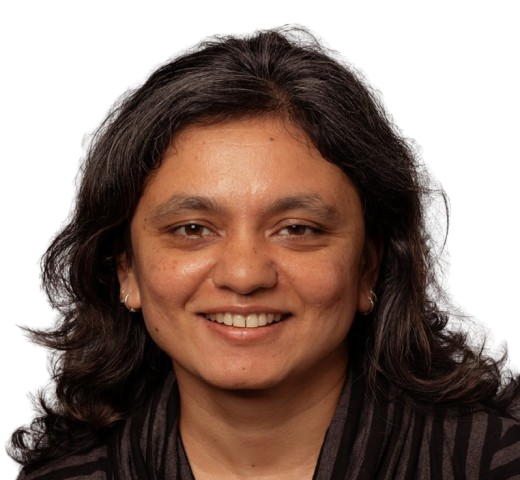
Dr. Manavi Jadhav
Academic: DHS Faculty & Supervisor
Strategic: Co-Founder and Principal Scientist · Unit 03 — Complex Systems and Space
Dr. Manavi Jadhav is a cosmochemist and laboratory astrophysicist and co-founder of IHRI, where she serves as Principal Scientist and Director of Space Systems within Unit 03 — Complex Systems and Space. She holds a PhD in Earth and Planetary Sciences from Washington University in St. Louis and has held postdoctoral research positions at the Laboratory for Space Sciences (Washington University), the W. M. Keck Cosmochemistry Laboratory at the University of Hawai'i at Mānoa, the Robert A. Pritzker Center for Meteoritics and Polar Studies at The Field Museum of Natural History in Chicago, and the Department of Geophysical Sciences at the University of Chicago. She joined the University of Louisiana at Lafayette as Assistant Professor of Physics in 2018, where she secured a National Science Foundation research fellowship and built a laboratory and research programme in isotope cosmochemistry from the ground up.
Her scientific specialisation is the laboratory analysis of presolar grains — stardust found preserved in meteorites — using secondary ion mass spectrometry, resonant ionization mass spectrometry, synchrotron X-ray fluorescence and tomography, and electron microscopy. This work requires characterising physical signals across radically different and discontinuous environmental contexts — stellar, interstellar, protosolar, and meteoritic — using complementary analytical instruments whose outputs must be reconciled into a coherent cross-domain framework. That methodological approach is the direct intellectual foundation for Vector A's cross-domain allostatic load programme.
Dr. Jadhav is a field expedition member of the Antarctic Search for Meteorites (ANSMET), the US programme that recovers meteorites from the Antarctic ice sheet under the auspices of the National Science Foundation, and holds the NSF Antarctic Service Medal. Her direct fieldwork experience in one of the primary analogue environments studied in the Vector A scoping review — combined with her laboratory expertise in resolving signals from complex, multi-environment datasets — positions her uniquely as the scientific lead for IHRI's first cross-domain endocrine load framework spanning orbital missions, Antarctic expeditions, and deep-space mission architectures.

Dr. Ciaran Culligan
Academic: DHS Faculty & Supervisor
Strategic: Director Quality
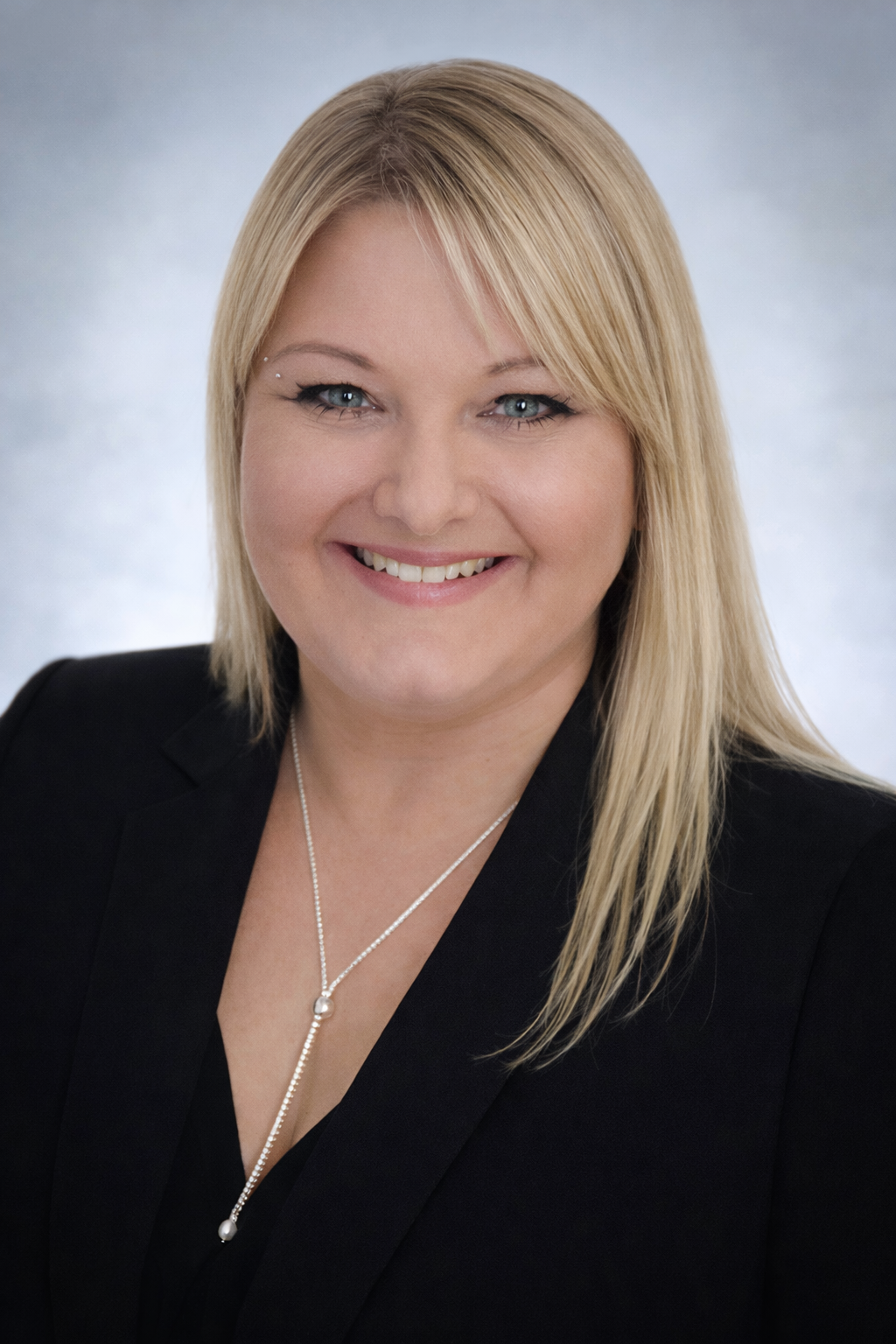
Dr. Angela Martin
Academic: DHS Faculty & Supervisor
Strategic: Director · Unit 02 — Rural Systems & Frontline Resilience
Dr. Angela Martin is an internationally recognised practitioner-scholar in community paramedicine and health systems design, with twenty-five years of front-line health industry experience spanning nursing, paramedicine, education, and clinical leadership in rural and remote South Australia. She holds a Doctor of Philosophy specifically in community paramedicine, a Master Paramedic Practitioner qualification, a Graduate Diploma in Emergency Nursing, and a Bachelor of Nursing. Her career has been built at the intersection of clinical practice and research — the model that IHRI's doctoral programme explicitly embodies.
Her research and advocacy focus on bridging health service inequalities in remote and underserved communities, with particular depth in First Nations health systems and primary healthcare access. She has served as a consultant to the Australasian College of Paramedicine and to national bodies responsible for rural health policy in Australia. Her academic awards include the SA Emergency Services Medal (2018), awarded for distinguished service of the highest order, and the SA Ambulance Service Clinical Excellence Commendation (2016) for exceptional leadership in professional development in regional communities.
Within IHRI, Dr. Martin supervises doctoral candidates through the Doctor of Health Science programme, contributing the methodological rigour of her own PhD research and her practitioner depth to the supervision of health systems research at doctoral level. Her specific expertise in community paramedicine and integrated care models is directly applicable to the health system design challenges facing isolated and extreme-environment populations — the same populations whose physiological and operational resilience sits at the heart of IHRI's research mission.
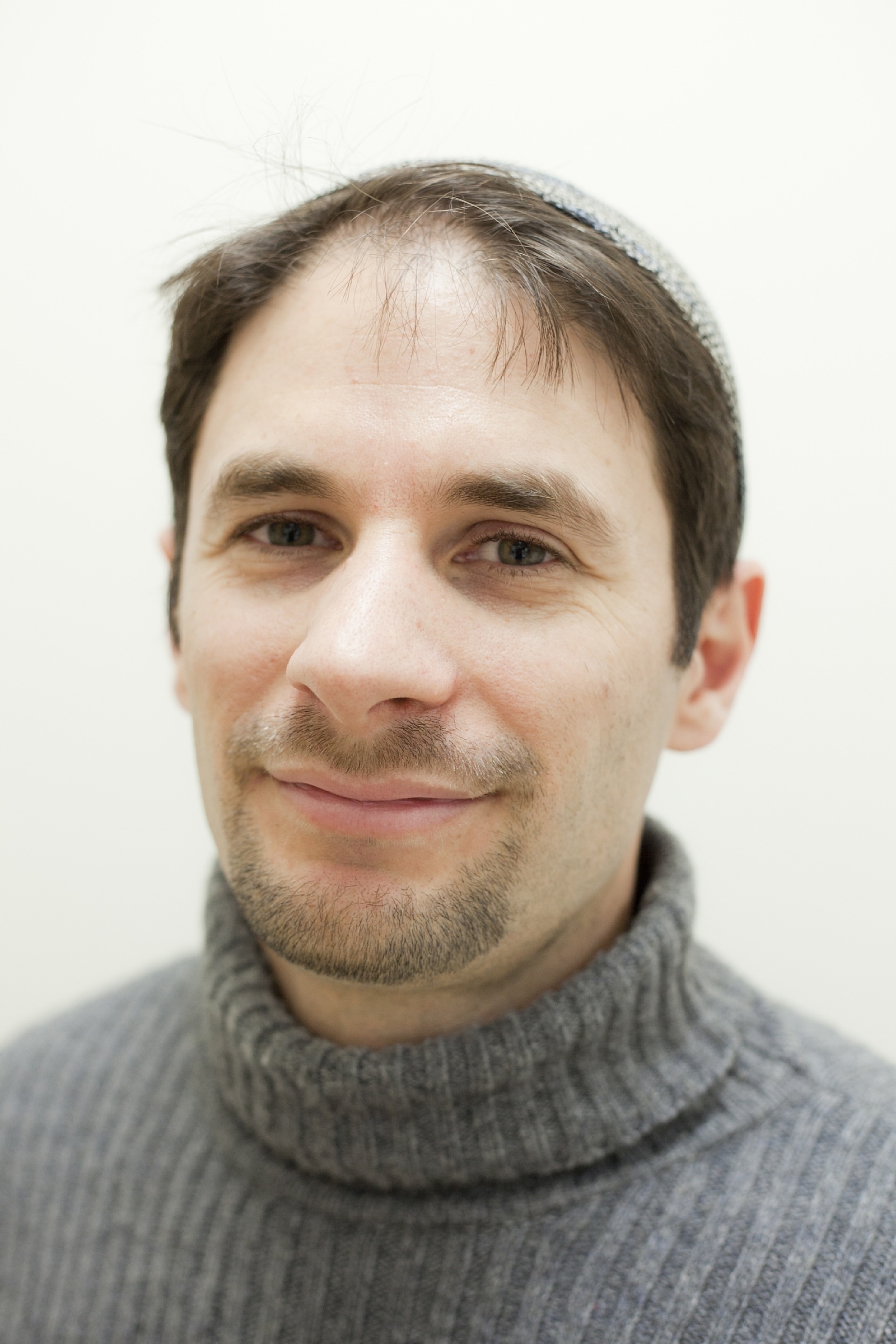
Dr. Ari Meerson
Academic: DHS Faculty & Supervisor
Strategic: Head of Genomics · Unit 01 Bio-Risk & Genomics
Dr. Meerson is a molecular and genomics biologist with 25+ years of experience in basic and applied research.
Dr. Meerson’s PhD research at Hebrew University of Jerusalem, Israel, and his postdoctorate work at NIH/NIDDK (Phoenix, AZ, USA) both focused on the function of microRNAs, short RNA molecules that regulate gene expression and are involved in a variety of biological pathways. MicroRNAs may act as a functional link between different chronic diseases, and hold promise as potential biomarkers and therapeutic targets.
As a Senior Researcher (since 2013) and head of the Genomics Unit (since 2020) at the Galilee Research Institute (MIGAL), Israel, Dr. Meerson has continued working on microRNAs as biomarkers and functional players in human diseases, but also expanded into broader genomics/transcriptomics, focusing on novel applications of Oxford Nanopore sequencing.
In the framework of an industry collaboration, Dr. Meerson has developed a qPCR-based genetic assay for establishing the sex of Russian sturgeon fish, for caviar aquaculture. The method is in commercial use by Caviar Galilee ltd. since 2021.
Dr. Meerson is a Teaching Fellow with the rank of Senior Lecturer at Tel Hai College (from 2026 - the University of Kiryat Shmona in the Galilee, Israel), teaching courses in developmental and molecular biology, RNA biology, genomics and evolution. He has established international collaborations, supervised >15 graduate and undergraduate students, presented at >50 national and international symposia, and is an active participant in EU COST Actions. Google Scholar link: https://scholar.google.com/citations?user=E1iQurcAAAAJ

Dr. Sabrina Poradosú
Strategic:
Command: Co-Founder & Chief Medical Officer · Head of Space Health and Human Factors, Unit 03
Dr. Sabrina Poradosú is a medical doctor with over a decade of clinical experience and dual board specialisations in internal medicine and endocrinology, diabetes, and metabolism. She holds a Master of Science in Space Studies from KU Leuven, one of Europe's foremost space medicine research institutions, and her research focuses specifically on the interplay between cortisol, immune function, and metabolic changes — including insulin resistance — in astronauts operating under sustained physiological stress.
As Chief Medical Officer of IHRI and Head of Space Health and Human Factors in Unit 03, she provides clinical governance for all health-related programmes and leads the endocrinological dimension of the Vector A research programme. Her dual background — the breadth of internal medicine practice and the precision of endocrine specialisation, combined with formal space medicine training — makes her the clinical authority for IHRI's work on HPA-axis stress signalling and allostatic load measurement across orbital and analogue environments. Her research into cortisol dynamics in astronauts addresses precisely the cross-domain measurement challenge that the Vector A scoping review programme is designed to resolve.
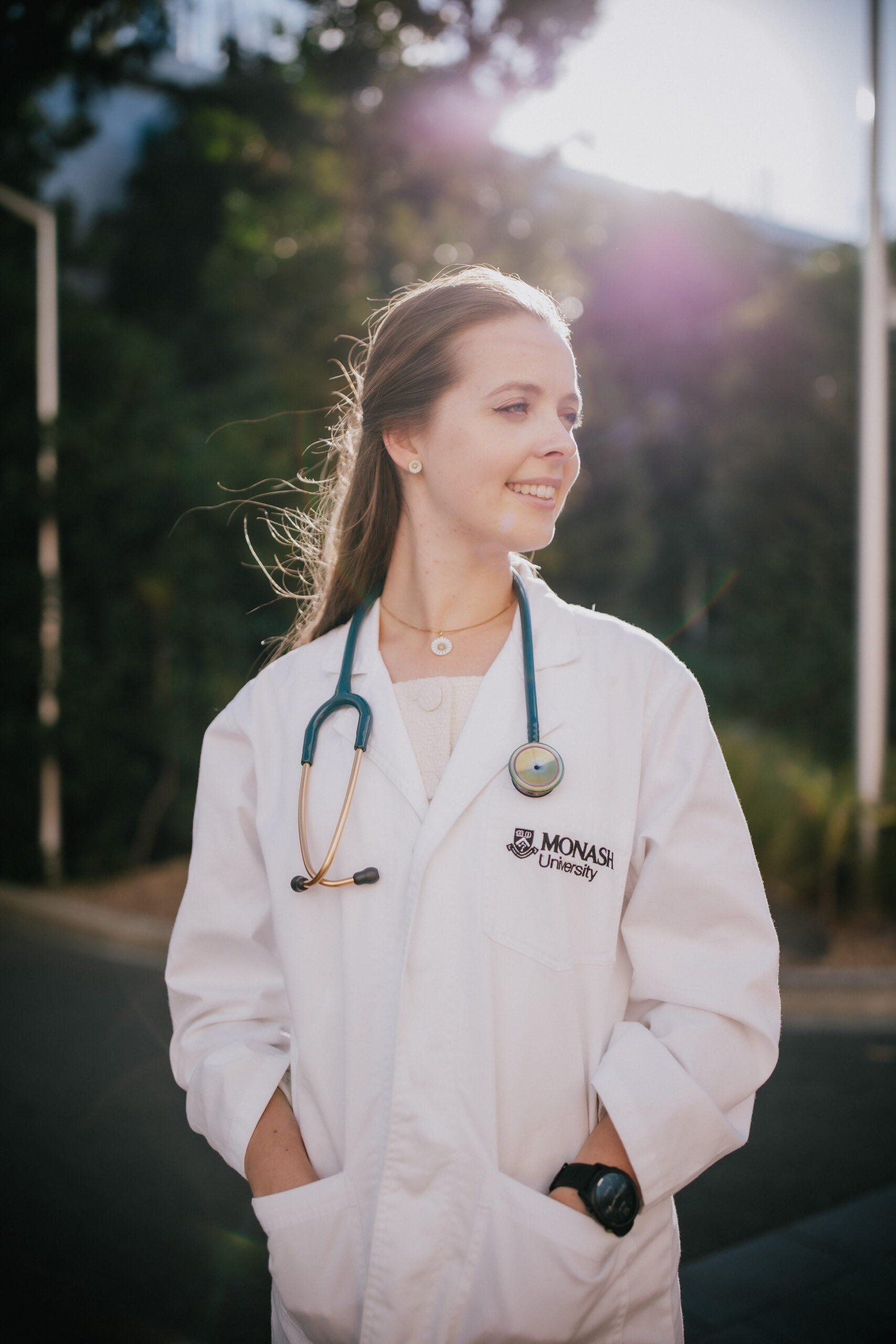
Dr. Sophie Fontaine
Strategic: Specialist Advisor
Extreme Environment Health
-
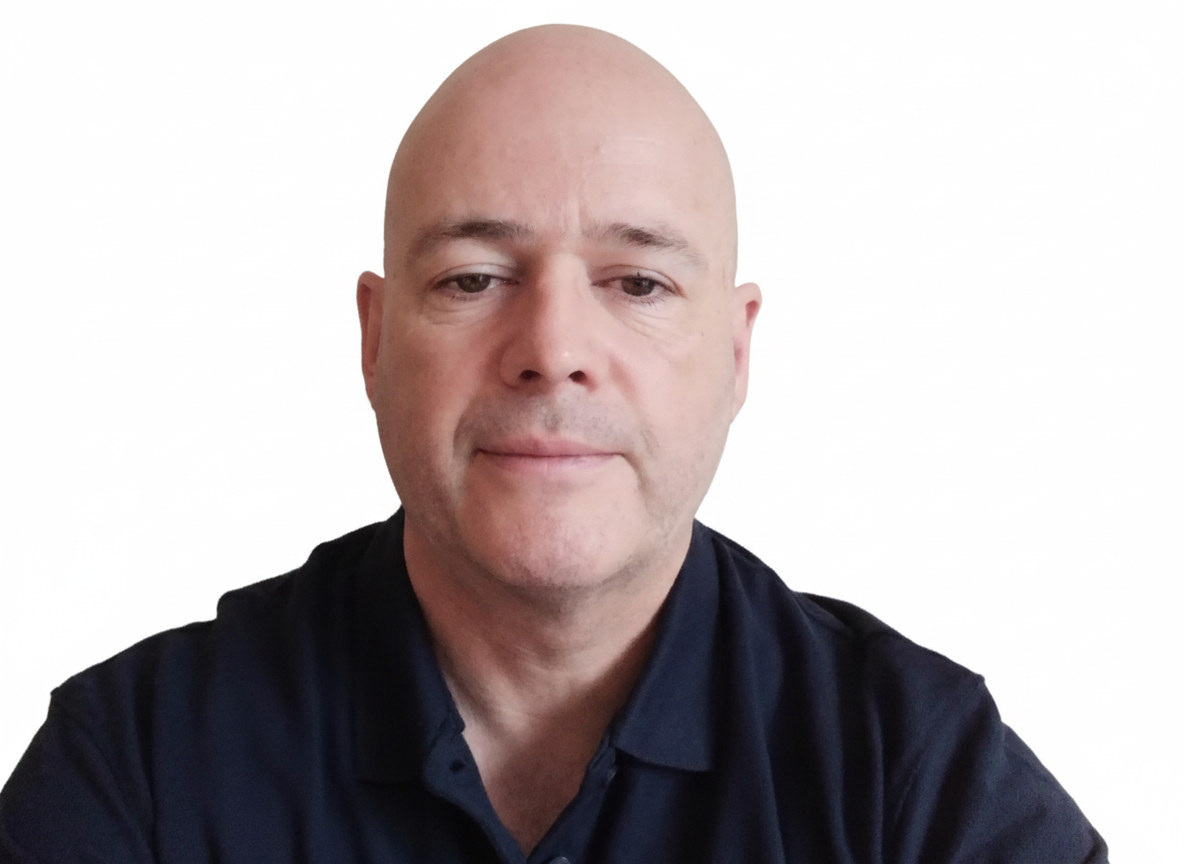
Neil Coleman
Role: Clinical & Ed. Dev
Domain: Prehospital Systems
-
Kanan Puntambekar
Academic: DHS Faculty & Supervisor
Strategic: Dir. Resource Sovereignty
-

Nicholas Dillon
Strategic: Research Lead
AI & Diagnostics